
AI Video Generation in 2026: What Changed for Brand Films
Research · 15 February 2026 · Updated 20 November 2026 · 6 min read
In short
AI video generation in 2026 means multi-shot sequences, native sound and consistent characters from models like Seedance, Veo, Kling, Sora and Wan. For brands, the question is no longer whether AI can make a film, but who is directing it.
Key takeaways
- Models now accept image, video and audio references, so characters, products and locations hold together across shots.
- Output has moved from single clips to 15 to 30 second sequences with planned cuts and sound generated alongside picture.
- An AI ad film at X DOT AI takes 5 to 10 working days against 4 to 8 weeks for traditional production; the craft moves rather than disappears.
- Briefing an AI film is direction work: subject, action, setting, distance, angle, movement, lens, light, colour, texture, emotion and sound, shot by shot.
- Ideas, performance judgement, consistency, rights and the edit are still human responsibilities.
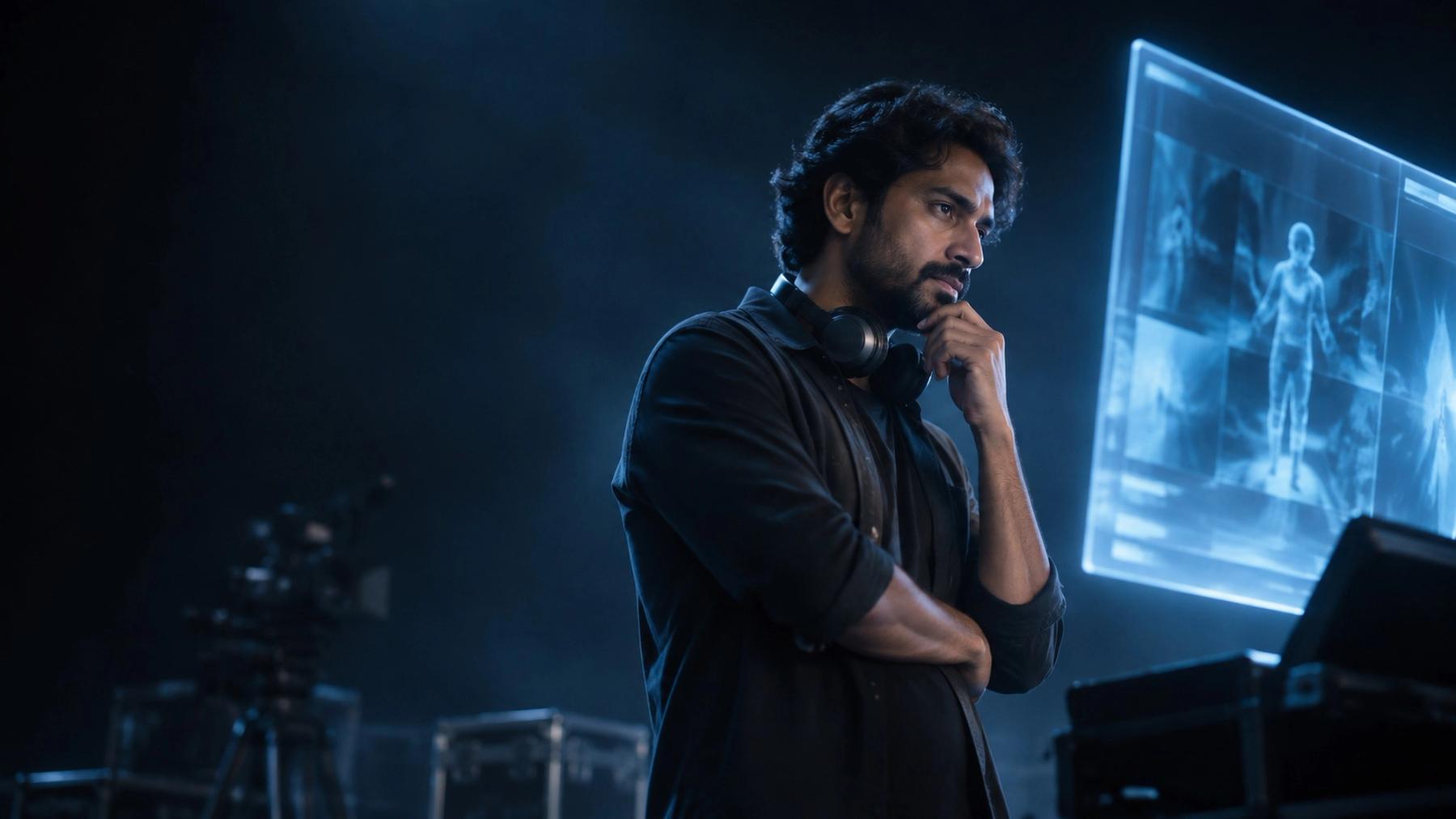
AI video generation in 2026 is no longer a novelty clip generator. Models including Seedance, Veo, Kling, Sora and Wan produce multi-shot sequences with native sound, consistent characters and real camera language. For brands, the question has moved from "can AI make a film?" to "who is directing it?".
That single shift explains most of what has changed this year. The tools got better, but more importantly they became directable. A model that accepts references and follows shot-level instruction behaves less like a slot machine and more like a crew that needs a clear brief.
What changed in AI video generation in 2026?
Five shifts matter more than any model leaderboard.
- Reference-driven generation. Models accept images, video and audio as references, so a character, a product or a location can stay consistent across shots. A reference sheet built once now travels through an entire sequence.
- Omni models. One model handles text, image, video and audio inputs together, including editing and extending existing footage. You can correct a shot instead of restarting the whole sequence.
- Longer, multi-shot output. Sequences of 15 to 30 seconds arrive with planned cuts, not just single moving pictures. That is the difference between a clip and a scene.
- Native audio. Dialogue, ambience and music are generated with the picture, so a rough cut has sound from the first pass rather than after picture lock.
- Upscaling tiers. Teams draft at low resolution, then upscale finals to 1080p, 2K or 4K. Experimentation stays cheap, and only the approved shots get finished.
The practical effect is that a director can plan a sequence the way they would on set: shot by shot, with intent, instead of prompting until something looks acceptable. When the tool follows direction, the direction becomes the bottleneck. That is a better problem to have.
What does this mean for brand films?
At X DOT AI an AI ad film typically takes 5 to 10 working days, compared with 4 to 8 weeks for a traditional production. The saving is real, but the craft has not disappeared. It has moved: from operating cameras to writing precise direction, building reference kits and judging hundreds of takes.
Three things follow for brands planning work this year.
- Reviewing happens earlier and more often. Because a shot can be regenerated in minutes, the conversation about a storyboard turns into a conversation about actual footage while there is still time to change it.
- More versions become normal. A campaign can carry several cuts for different markets or platforms without a second shoot, provided the reference kit was built to be reused.
- The pre-production stage gets heavier, not lighter. Deciding what the film is about, and how each shot should feel, now determines the outcome far more than the render settings do.
That is the operating principle behind the studio's approach: vision over tool, problem first and solution second. A stronger model does not rescue a vague idea. It renders the vagueness faster.
How long does an AI brand film take to make?
The 5 to 10 working days at X DOT AI are not mostly spent generating. The days break down roughly like this.
- Treatment and shot plan. The idea, the story beats and a written description of every shot, before anything is generated.
- Reference kit. Character sheets, wardrobe, product angles, location plates and any audio references that must stay fixed.
- Generation rounds. Low-resolution drafts of each shot, several per shot, compared side by side and rejected quickly.
- Selects and assembly. The strongest takes cut together for rhythm, with the sequence checked for continuity of light, wardrobe and movement.
- Upscale, sound and finish. Finals pushed to delivery resolution, sound designed and mixed, titles and grade applied.
Most of the schedule sits in steps one, two and four. That is also where the quality sits. A team that rushes the shot plan generates a hundred clips and still has no film.
What still needs people?
- The idea. AI raises everyone's floor and lowers everyone's ceiling. The idea is your ceiling.
- Direction. Shot-by-shot intent, performance and emotion. A model can render grief or confidence only if someone specifies which one is wanted and how it should read on a face or in a body.
- Consistency. Reference sheets for characters, wardrobe and locations. Continuity is a documentation job as much as a creative one.
- Responsibility. No celebrity likeness without consent, licensed music and assets, and clear disclosure where a market or platform requires it.
- The edit. Rhythm, sound and the final judgement about what is good enough to ship.
None of these can be delegated to a prompt. They can only be written down more precisely.
How do you brief an AI film?
Write it like a director's treatment, not a search query. For each shot, name the subject, action, setting, distance, angle, movement, lens, light, colour, texture, emotion and sound. Attach references for anything that must look exact. Plan the cuts. Then generate, compare and choose.
Here is what one line of a usable shot list looks like, as opposed to a one-sentence wish:
- Weak: "A woman walks into a bright studio, cinematic."
- Usable: "Medium-wide, slow push in, 35mm feel, morning light from camera left, cool white studio with one warm practical in frame, woman in her thirties, linen shirt, enters from frame right, unhurried, stops and looks off camera, quiet room tone with a low sustained note."
The second version is longer, and it is the reason the first pass comes back close. Multiply that discipline across twelve to twenty shots and you have a film rather than a collection of attractive accidents.
What are the common mistakes?
- Briefing with adjectives instead of shots. "Premium", "cinematic" and "emotional" mean nothing to a model until they are attached to a lens, a light and a movement.
- Skipping the reference kit. Then spending days fighting wardrobe and face drift that a single sheet would have solved.
- Generating at final resolution from the start. Slow, expensive, and it discourages the number of variations the shot actually needs.
- Judging takes on a laptop speaker. Sound is generated with picture now, so review the way the audience will.
- Using a recognisable face or a track you do not have rights to. Speed is not a defence, and takedowns erase whatever time was saved.
- Letting the tool choose the idea. The most available image is rarely the most useful one.
Where does AI video still fall short?
Honest limits still exist, and a director should plan around them rather than promise them away. Precise on-screen typography, intricate hand interactions with products, long unbroken takes with exact dialogue sync, and renders that must match a physical product to the millimetre are all places where human finishing, live plates or careful compositing still carry the shot. The workaround is usually craft, not wait-and-see: shoot the product plate practically, generate the world around it, and finish the join in the edit.
Where should a brand start?
Start with one deliverable, not a rebrand. Pick a format you can judge quickly, such as a 20 second product film or a channel promo, and treat the first project as a test of your own briefing process as much as of the tools. See the studio's AI films work and the wider portfolio for the range of formats this suits, including broadcasters and labels such as Zee TV, ZEE5 and Saregama. If your team will run production in-house, AI training is usually the faster route than rebuilding a workflow from tutorials. And if you are still deciding what to make, an AI readiness check is a reasonable first hour spent.
Questions people ask
Is AI video good enough for broadcast?
Yes, for many formats. X DOT AI has delivered AI films and promos for broadcasters and labels including Zee TV, ZEE5 and Saregama, with human direction and finishing. Delivery resolution and technical checks are planned into the schedule rather than fixed afterwards.
Will AI replace film crews?
It changes the work rather than removing it. Directors, writers, editors and sound designers matter more, because they decide what is worth making and what is good enough to release. What shrinks is the logistics around shooting, not the judgement around the film.
Which AI video models are used in 2026?
The working set includes Seedance, Veo, Kling, Sora and Wan, and most teams route each shot to whichever model handles that kind of shot best. Model choice matters less than the shot plan and the reference kit that feed it.
Can AI keep a character consistent across several shots?
Yes, through reference-driven generation. Build a character sheet with face, wardrobe and key angles, attach it to every shot featuring that character, and check continuity at assembly. Without that documentation, drift returns.
How long does an AI brand film take?
At X DOT AI an AI ad film typically takes 5 to 10 working days, against 4 to 8 weeks for a traditional production. Most of that time goes into the shot plan, reference kit and edit, not the generation itself.
Is AI video cheaper than live action?
Often, because the cost of trying a shot again drops sharply. The saving depends on how much of the film needs real product, real people or exact brand assets, which still carry production cost.
Do AI films need to be disclosed?
Requirements vary by market, broadcaster and platform, and disclosure is usually the safer default where a viewer could reasonably mistake generated footage for real events. Rights to likeness, music and assets need clearing regardless.